
Innovative Solutions for Simplified Protein Separation in Labs
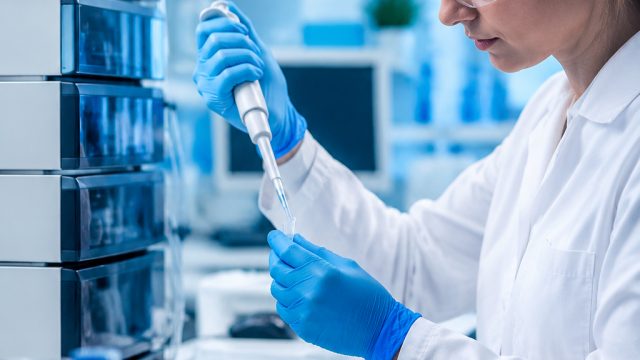
In the world of biotechnology and molecular biology, the intricacies of protein purification present numerous challenges. Researchers are continually seeking efficient methods to isolate target proteins from complex biological mixtures. Recently, advancements in resin technology have emerged as groundbreaking solutions, enabling smooth and effective protein separations crucial for various applications, from research to therapeutic development.
Understanding Protein Separation Challenges
Protein purification involves isolating a specific protein from a complex mixture, often composed of thousands of other proteins, nucleic acids, and metabolites. Traditional methods for separating these proteins can be labor-intensive, time-consuming, and often result in loss of yield or purity. The key challenges faced by scientists include:
- Complexity of biological samples
- Loss of protein during purification processes
- Time constraints in high-throughput environments
- Need for reproducible results across different batches
How Resin Technology is Changing the Game
Innovations in resin technology have made significant strides in addressing these challenges. Modern protein purification resins are designed with specific properties that enhance their binding capacity, selectivity, and overall efficiency. Here are some ways resin technology is transforming protein separation:
1. Enhanced Selectivity
Today's advanced resins allow for the selective binding of target proteins while minimizing interactions with unwanted contaminants. This specificity leads to:
- Higher purity of isolated proteins
- Increased yield, maximizing the amount of usable product
- Reduced need for extensive downstream processing
2. Faster Separation Processes
Time is a critical factor in laboratory settings. Innovative resin solutions facilitate quicker separation processes, enabling researchers to:
- Achieve faster results in time-sensitive projects
- Enhance throughput in high-volume applications
- Streamline workflow, allowing for more experiments to be conducted in less time
3. Ease of Use
Many modern purification resins are user-friendly and can be integrated into existing workflows without requiring extensive training. Benefits include:
- Simplified protocols that reduce the risk of human error
- Compatibility with various laboratory equipment and methods
- Readily available technical support for troubleshooting
Current Trends in Protein Purification
As the demand for purified proteins grows in therapeutic development, diagnostics, and scientific research, some notable trends are influencing the field:
1. Customization of Resin Solutions
Researchers are increasingly turning to customized resin solutions tailored to their specific needs. Customization allows for:
- Optimized binding capacities and affinities
- Improved separation characteristics based on the target protein's properties
- Enhanced compatibility with downstream applications, such as crystallization or assay development
2. Sustainable Practices in Protein Purification
Sustainability is becoming a central theme. Efforts to create eco-friendly resins and purification processes aim to:
- Minimize waste generation during purification
- Reduce the environmental impact of laboratory practices
- Utilize renewable resources in resin production
3. Integration of Automation in Laboratories
Automation is playing a vital role in enhancing the efficiency of protein purification. Automated systems allow laboratories to:
- Increase processing speed and output
- Minimize variability in results
- Free up lab personnel for more complex tasks
Conclusion: Future Insights on Protein Purification
The evolution of protein purification technologies, particularly through innovative resin solutions, signifies a critical advancement in the field of biotechnology. As challenges in protein separation are continuously addressed, researchers can expect to see improved methodologies that not only enhance the quality of their work but also contribute to breakthroughs in various biomedical fields. By embracing these advancements, laboratories can pave the way for future discoveries and innovations in protein science.