
New Wave of Israeli Raids in the West Bank: What You Need to Know
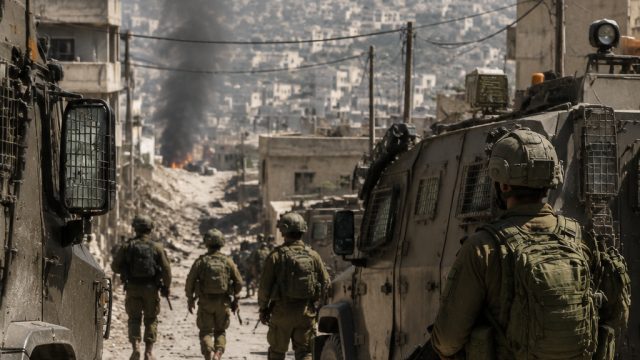
Recent developments in the West Bank have captured international attention as Israeli occupation forces intensified their activities across various towns and cities. This new wave of raids, which began earlier this week, raises significant concerns regarding security, human rights, and local community stability. It's imperative to understand the context and consequences of these actions as they unfold.
The Context of the Raids
The Israeli military's incursions into Palestinian territories are not a new phenomenon but have escalated recently. The latest operations included targeted raids in towns such as Turmus Ayya in Ramallah, Madama and Kafr Qallil in Nablus, and areas in Jenin, including Meithalun. These actions are often justified by Israeli authorities as necessary for maintaining security and preventing terrorist activities.
Why Now?
As tensions rise in the region, the timing of these raids appears critical. Analysts suggest that increased military presence is part of a broader strategy to assert control and manage unrest in light of recent escalations in violence and political instability. This has drawn criticism from human rights organizations and advocates who argue that such measures disproportionately affect civilians.
Impact on Local Communities
The consequences of these raids extend beyond immediate security concerns; they deeply affect the lives of Palestinian families. Reports indicate that the raids have resulted in property damage, arrests, and heightened fear among residents. The psychological impact on children and families living in these volatile areas is profound, with long-term implications for community cohesion and trust.
Displacement and Disruption
- Increased Displacement: Many families face the threat of displacement as properties are targeted during raids, leading to instability.
- Community Division: The raids create divisions within communities, fostering an atmosphere of mistrust and fear.
- Economic Hardship: Local businesses suffer losses due to damage and disruption, exacerbating economic challenges.
International Reaction and Future Considerations
The international community has responded with growing concern regarding the humanitarian implications of these operations. Various human rights organizations have called for accountability and urged an end to practices that undermine the rights of individuals in occupied territories. The situation poses questions about the effectiveness of such military strategies in ensuring long-term peace and stability.
The Role of Global Advocacy
Global advocacy plays a crucial role in shaping perceptions and policies regarding the Israeli-Palestinian conflict. Activists and organizations work tirelessly to bring attention to the plight of affected individuals and push for diplomatic solutions that prioritize human rights and justice.
Conclusion: The Need for Dialogue
As the situation in the West Bank continues to evolve, it is essential for all stakeholders to engage in constructive dialogue aimed at conflict resolution. Understanding the complexities of the current environment is vital for fostering peace and ensuring the protection of human rights. The ongoing situation highlights the urgent need for renewed efforts toward a sustainable and just solution for all parties involved.
Stay informed with Zolmica as we continue to monitor these developments and provide insights into their broader implications.