
Tragic Lucknow Fire Claims Lives: The Hidden Danger of Smoke Inhalation
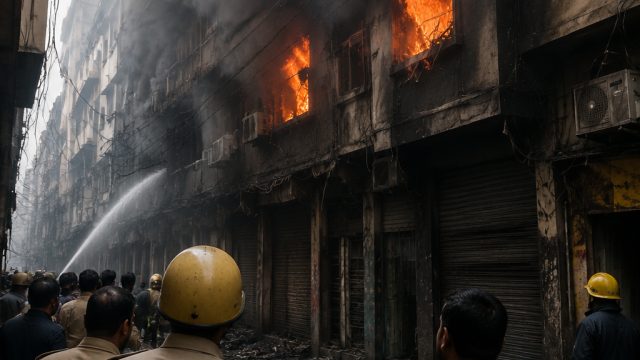
In a heart-wrenching incident that has shaken the Lucknow community, fifteen lives were lost in a devastating fire in the Aliganj area. Initial reports have revealed that the cause of death was primarily due to suffocation from inhaling toxic smoke, not from the flames themselves. This tragic event has highlighted the often-overlooked dangers of smoke inhalation during fires, prompting a need for greater awareness and preventive measures.
Understanding the Nature of Smoke Inhalation
As the post-mortem examinations indicated, the victims succumbed to the effects of noxious fumes that filled the building. Smoke inhalation can be just as deadly, if not more so, than the fire itself. Here’s what everyone should know about this hidden threat:
The Composition of Smoke
- Toxic Chemicals: Smoke contains a mixture of harmful substances, including carbon monoxide, hydrogen cyanide, and other particulate matter that can obstruct airways and lead to suffocation.
- Reduced Oxygen Levels: During a fire, oxygen levels in the air decrease significantly, making it difficult to breathe and increasing the risk of unconsciousness and death.
How Smoke Affects the Body
Inhaling smoke can lead to various health complications:
- Respiratory Distress: Victims may experience coughing, difficulty breathing, and a sensation of choking.
- Neurological Impacts: High concentrations of carbon monoxide can impair brain function, leading to confusion and loss of consciousness.
Recognizing the Risk Factors
While fires can happen anywhere, certain conditions can heighten the risks associated with smoke inhalation:
- Crowded Spaces: Buildings with a high occupancy can make evacuation challenging and increase exposure to toxic smoke.
- Poor Ventilation: Enclosed spaces with inadequate ventilation systems exacerbate smoke accumulation, making it more difficult to escape.
- Building Materials: The type of materials used in construction can determine how much toxic smoke is produced during a fire.
Preventative Measures to Enhance Fire Safety
In light of this tragedy, it’s vital to take steps to reduce the risk of fatalities from smoke inhalation:
Emergency Evacuation Plans
- Every building should have a clear and well-communicated evacuation plan in place.
- Conduct regular fire drills to ensure that all occupants know how to escape quickly and safely.
Improving Building Safety
- Install smoke detectors in all rooms and ensure they are regularly maintained.
- Use fire-resistant materials during construction and renovations to limit smoke production.
Conclusion: The Ongoing Importance of Fire Awareness
The unfortunate loss of life in Lucknow serves as a stark reminder of the dangers that accompany fire emergencies, particularly the risks associated with smoke inhalation. As communities reflect on this devastating incident, it is crucial to advocate for improved fire safety standards and educate the public on the perils of smoke exposure. By fostering awareness and preparedness, we can hope to prevent similar tragedies in the future.
You May Also Like
Contact information:
02088888888
Email:rekhamonikaraja@gmail.com
Q Q:88888888