
Examining the DVLA's Challenges with Number Plate Regulations
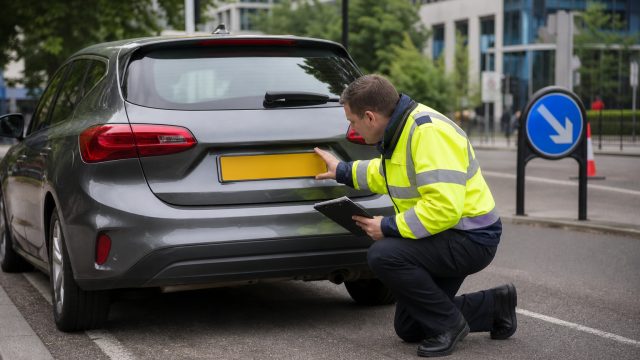
The Driver and Vehicle Licensing Agency (DVLA) has recently been under scrutiny regarding its effectiveness in managing the compliance of number plate suppliers. As the primary authority overseeing the registration of vehicles in the UK, the DVLA's role is crucial for maintaining the integrity of vehicle identification systems. With the rise in counterfeit number plates and fraudulent activities, it has become increasingly important to ask: does the DVLA have adequate resources and processes in place to ensure compliance?
Understanding the Compliance Landscape
With the proliferation of online retailers and mobile services, the number of suppliers producing number plates has surged. This trend raises significant concerns about regulatory oversight. The DVLA must ensure that all suppliers meet stringent requirements set out in the Road Traffic Act, including proper licensing and material standards.
Current Challenges Faced by the DVLA
- Staffing Shortages: Recent reports indicate that the DVLA is experiencing staffing shortages, which may hinder its ability to conduct thorough checks on suppliers.
- Increased Fraud Risks: The ease of access to number plate production has led to an uptick in counterfeit plates, complicating law enforcement efforts to track vehicles.
- Technological Evolution: As technology advances, so do the methods used by fraudsters, putting more pressure on the DVLA to adapt its monitoring techniques.
Impact on Vehicle Owners
The implications of insufficient oversight by the DVLA extend beyond regulatory concerns; they affect everyday vehicle owners, too. If counterfeit number plates proliferate, distinguishing legitimate vehicles from those involved in criminal activity becomes increasingly difficult.
The Role of Vehicle Owners in Compliance
Vehicle owners play a critical role in the ecosystem of compliance. Here are steps you can take to ensure your number plate is legitimate:
- Purchase from reputable suppliers with the necessary licensing.
- Regularly check for compliance updates from the DVLA.
- Report any suspicions of counterfeit plates to local authorities.
Long-Term Solutions to Regulatory Issues
As the DVLA grapples with its current challenges, a focus on long-term solutions is essential. Proposals for addressing these issues include:
- Increased Funding: Allocating more resources to the DVLA could enhance its ability to perform regular audits and compliance checks on suppliers.
- Enhanced Technology: Investing in advanced technology for tracking and verifying number plates could deter counterfeiters.
- Consumer Education: Raising awareness among vehicle owners about the importance of legitimate number plates can foster a culture of compliance.
Conclusion: The Path Forward for the DVLA
The challenges facing the DVLA regarding number plate regulations are multifaceted and require immediate attention. With the stakes higher than ever, it is crucial for both the agency and vehicle owners to collaborate in combating fraud. By enhancing compliance measures, investing in technology, and increasing awareness, the DVLA can safeguard the integrity of the vehicle registration system and ensure that all road users are protected.
You May Also Like
Contact information:
02088888888
Email:rekhamonikaraja@gmail.com
Q Q:88888888