
UK Schools Face Heat Crisis: Urgent Need for Climate Resilient Design
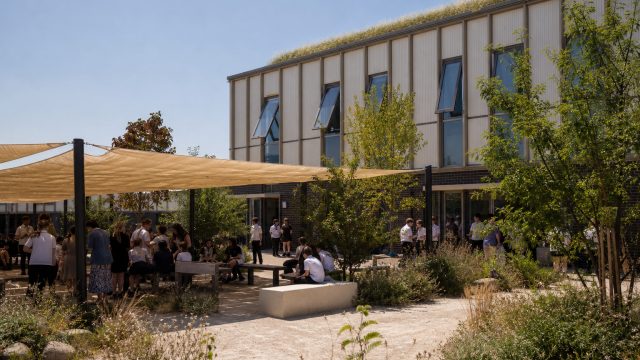
The growing threat of climate change is not just impacting the natural environment; it is also creating significant challenges for educational institutions across the UK. As schools grapple with rising temperatures, many are finding their buildings ill-equipped to handle the heat, raising concerns about student well-being and learning effectiveness.
Historical Insights: Schools Designed for a Different Era
Many schools in the UK, especially those built over a century ago, were constructed with materials and designs that inadvertently make them more resilient to heat. For instance, Beaconsfield Primary School in West London features a Victorian-Edwardian-style building that, despite its age, maintains a more comfortable interior compared to a newer school building nearby. This stark contrast highlights a critical oversight in modern educational architecture.
The Impact of Design on Learning Environments
Headteacher Dave Woods notes, "The older building is constructed with solid brickwork and thick walls, allowing it to retain heat during winter while keeping the interior cooler in summer." This architectural wisdom is increasingly relevant as climate crises lead to more extreme temperature fluctuations. Schools built with modern materials often lack these thermal benefits, resulting in sweltering classrooms that can hinder student concentration and productivity.
The Immediate Need for Climate-Conscious Upgrades
With the UK experiencing increasingly hotter summers, the urgent need for schools to adopt climate-resilient strategies is evident. Factors contributing to the heat crisis in schools include:
- Inadequate Ventilation: Many modern buildings do not have sufficient airflow, leading to stale, hot indoor conditions.
- High Energy Consumption: Schools that rely heavily on air conditioning can see skyrocketing energy bills, alongside a larger carbon footprint.
- Health Risks: Extreme heat can exacerbate health issues for students and staff, particularly those with pre-existing conditions.
Potential Solutions for a Sustainable Future
To combat these pressing issues, schools must consider various strategies:
- Natural Cooling Techniques: Utilizing designs that promote natural ventilation and shading can significantly lower indoor temperatures.
- Green Roofs and Walls: Incorporating vegetation can insulate buildings and reduce heat absorption.
- Retrofitting Older Buildings: Updating older structures with modern insulation and energy-efficient windows can enhance their performance without sacrificing historic value.
The Role of Government and Community in School Infrastructure
Addressing the heat crisis requires a collective effort between the government, architects, and local communities. Policymakers should prioritize funding for climate-resilient school designs, while communities can advocate for upgrades and retrofits in existing schools. Schools should also be included in broader climate action plans to ensure that educational facilities can provide safe and conducive environments for learning.
Case Studies of Effective Design Integration
Looking to successful case studies can inspire new approaches:
- Passive House Schools: Schools designed to the Passive House standard incorporate energy-efficient techniques that drastically reduce energy consumption while maintaining comfortable indoor environments.
- Sustainable Materials: Schools utilizing recycled and low-impact materials not only benefit the environment but can also enhance thermal performance.
Conclusion: A Call to Action for Educational Leaders
As the climate crisis intensifies, the time for UK schools to adapt is now. With student learning and well-being at stake, educational leaders must champion the adoption of sustainable and climate-conscious design practices. By taking proactive steps today, we can ensure that our educational institutions not only survive but thrive in a warming world, providing safe and effective learning environments for generations to come.
You May Also Like
Contact information:
02088888888
Email:rekhamonikaraja@gmail.com
Q Q:88888888