
Understanding When to Seek Urgent Eye Care for Vision Changes
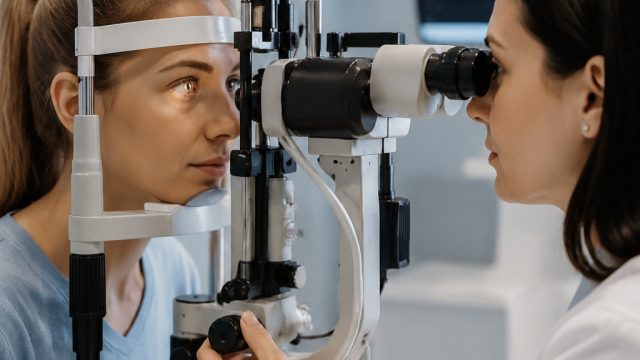
Our eyesight is one of our most precious senses, and any sudden changes can be alarming. While some vision alterations may stem from minor issues, others can indicate serious underlying conditions that require immediate attention. Knowing when to seek emergency eye care is vital for preserving your vision health. In this article, we will explore common causes of sudden vision changes and highlight crucial signs that necessitate urgent care.
Common Causes of Sudden Vision Changes
Vision changes can arise from various factors, including environmental influences, health conditions, and even lifestyle choices. Understanding these can help you better assess the urgency of your situation.
1. Environmental Factors
- Eye Strain: Prolonged screen time or reading can lead to discomfort and temporary vision issues.
- Allergens: Dust, pollen, and other allergens can irritate your eyes, causing redness and blurred vision.
- Injuries: Accidental impacts or foreign bodies can result in immediate vision changes.
2. Medical Conditions
- Diabetes: Diabetic retinopathy can lead to sudden vision loss if not managed effectively.
- High Blood Pressure: Hypertensive retinopathy may cause visual disturbances due to blood vessel changes in the eye.
- Glaucoma: An increase in eye pressure can lead to sudden symptoms and potential blindness.
3. Lifestyle Choices
- Substance Use: Alcohol and drugs can impair vision, requiring urgent care if symptoms occur.
- Lack of Sleep: Fatigue can lead to temporary vision issues, but chronic problems should be addressed.
Signs You Should Seek Emergency Eye Care
Recognizing which symptoms are alarming can mean the difference between minor treatment and critical care. Here are key indicators that warrant immediate medical attention.
1. Sudden Vision Loss
If you experience abrupt vision loss in one or both eyes, it could signify a serious condition like retinal detachment or a stroke. Do not hesitate to seek immediate care.
2. Persistent Blurriness or Double Vision
While minor blurriness can be temporary, ongoing double vision could indicate underlying health problems. It’s crucial to consult an eye care professional as soon as possible.
3. Seeing Floaters or Flashes of Light
While occasional floaters can be normal, sudden increases in floaters or flashes of light may suggest a torn retina or other serious conditions. Timely intervention is key.
How to Prepare for Your Eye Care Visit
When you decide to seek emergency eye care, being prepared can expedite the process and ensure you receive appropriate treatment.
1. Gather Your Medical History
Be ready to provide information about your medical history, existing eye conditions, and any medications you are currently taking.
2. Document Your Symptoms
Writing down your symptoms, when they started, and their progression can help the healthcare provider make an accurate diagnosis.
3. Have Someone Accompany You
If your vision is compromised, bringing a friend or family member can ensure you arrive safely and support you during your visit.
Conclusion: Prioritize Your Eye Health
Vision changes should never be taken lightly. Understanding the symptoms that require urgent attention can help you safeguard your eyesight and overall health. If you experience any sudden changes in your vision, do not delay seeking professional help. Your sight is too valuable to ignore.
You May Also Like
Contact information:
02088888888
Email:rekhamonikaraja@gmail.com
Q Q:88888888


